Why this route
The nine days trace one continuous line across Gansu, from Lanzhou on the Yellow River to Dunhuang at its far end, and the stops sort naturally into three threads. Cave-temple Buddhism runs through the entire route: the Tiantishan Grottoes near Wuwei, the Mati Temple complex at Zhangye, the Yulin Grottoes, and finally the Mogao Grottoes and Western Thousand Buddha Caves at Dunhuang. Tombs and frontier works form the second thread — the Leitai Han Tomb, the Xincheng Wei-Jin mural tombs, and the passes at Jiayuguan, Yangguan, and Yumen. Landscape makes the third: the Shandan Horse Ranch, the Zhangye Danxia, the Mingsha dunes, and the Yadan National Geological Park.
The day split turns that into a staged approach rather than a scramble. Days 1–3 build up through Lanzhou’s riverfront, museum, and night market and Wuwei’s tombs and temples; days 4–6 cross the ranch country, Zhangye, and Jiayuguan; days 7–9 belong to Dunhuang and its orbit. That gives the two four-hour grotto visits — Yulin and Mogao — a day each, and leaves the western desert loop of Yangguan, Yumen Pass, and the Yadan park as a self-contained final day. The route runs one way, east to west, with no doubling back.
Day by day
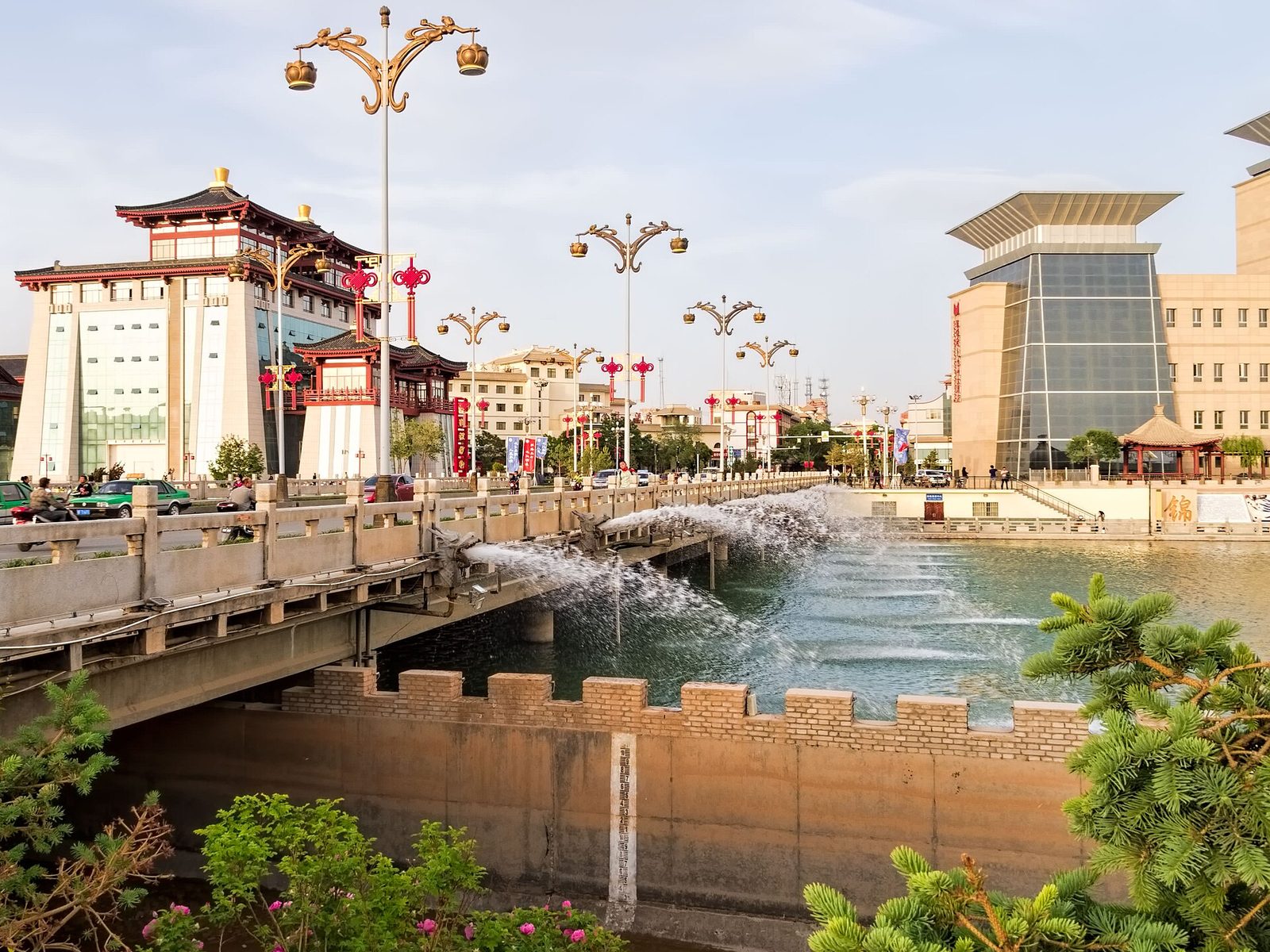
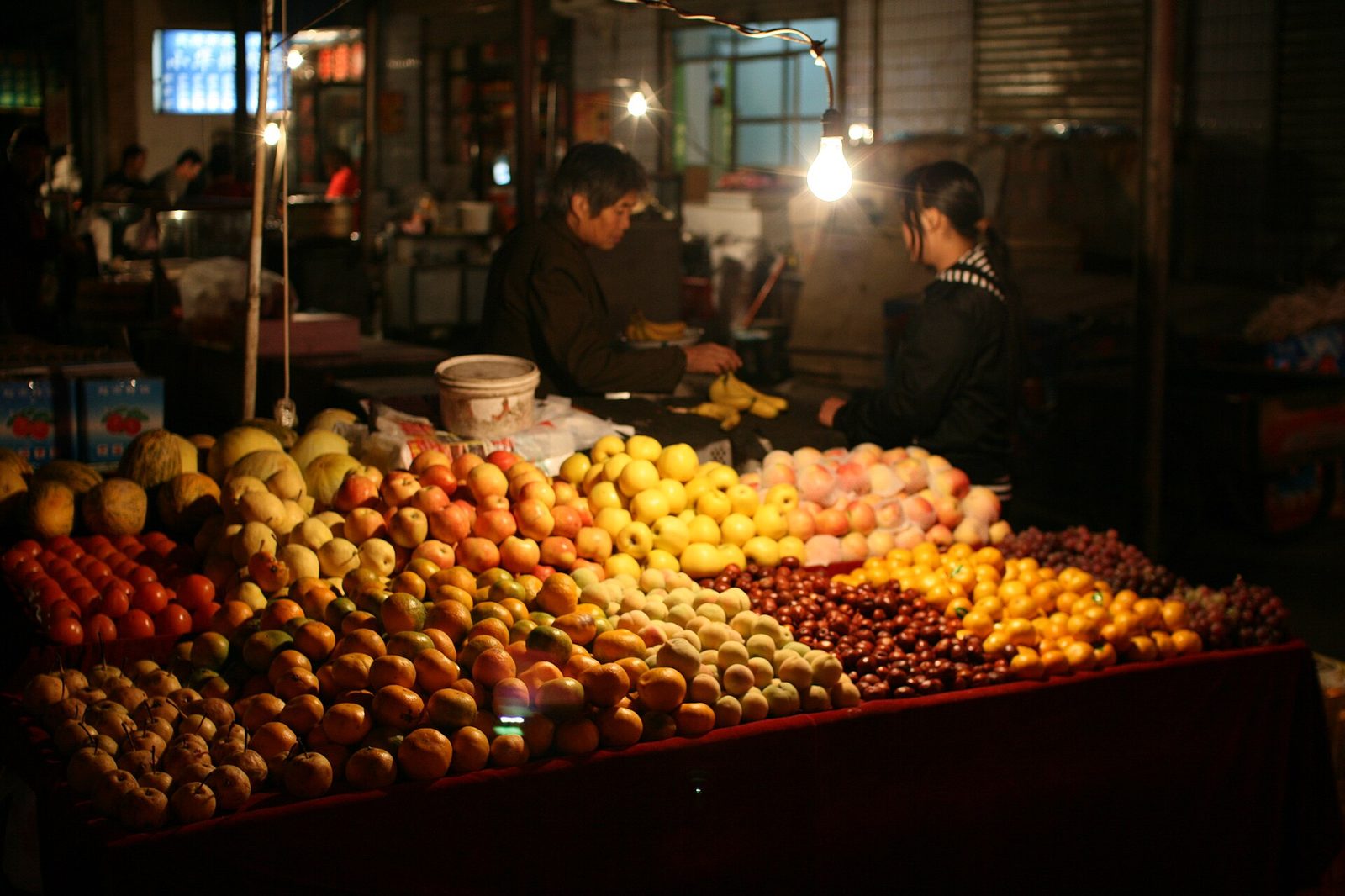
Day 1 — Lanzhou. An hour at the Zhongshan Bridge, the Yellow River iron bridge, then an hour at the Lanzhou Yellow River sheepskin-raft drifting center. The Gansu Provincial Museum and the Zhengning Road snack night market round out the day, with no fixed time allotted to either.
Day 2 — Over the pass to Wuwei. Thirty minutes at the Wushao Ling ridge, then 1.5 hours at the Tiantishan Grottoes and an hour at Liangzhou’s White Pagoda Temple — three hours of timed stops in all.
Day 3 — Wuwei. The Wuwei Museum (1.5 hours), the Leitai Han Tomb (2.5 hours), and the Wuwei Confucian Temple (1 hour).
Day 4 — Shandan. A single stop: the Shandan Horse Ranch, with no fixed duration — the day is left open around it.
Day 5 — Zhangye. Three hours at the Mati Temple grottoes, then three hours at the Zhangye Danxia scenic area, the Rainbow Mountains.
Day 6 — Jiayuguan. Three hours at the Jiayuguan Pass fortress, then an hour at the Xincheng Wei-Jin mural tombs.
Day 7 — Into Dunhuang’s orbit. Half an hour at the Son of the Earth sculpture, 1.5 hours at the Suoyang City ruins, four hours at the Yulin Grottoes, then an hour at Dunhuang’s Shazhou Shiyi heritage snack night market.
Day 8 — Dunhuang. Four hours at the Mogao Grottoes, then three hours at the Mingsha Mountain and Crescent Moon Spring scenic area.
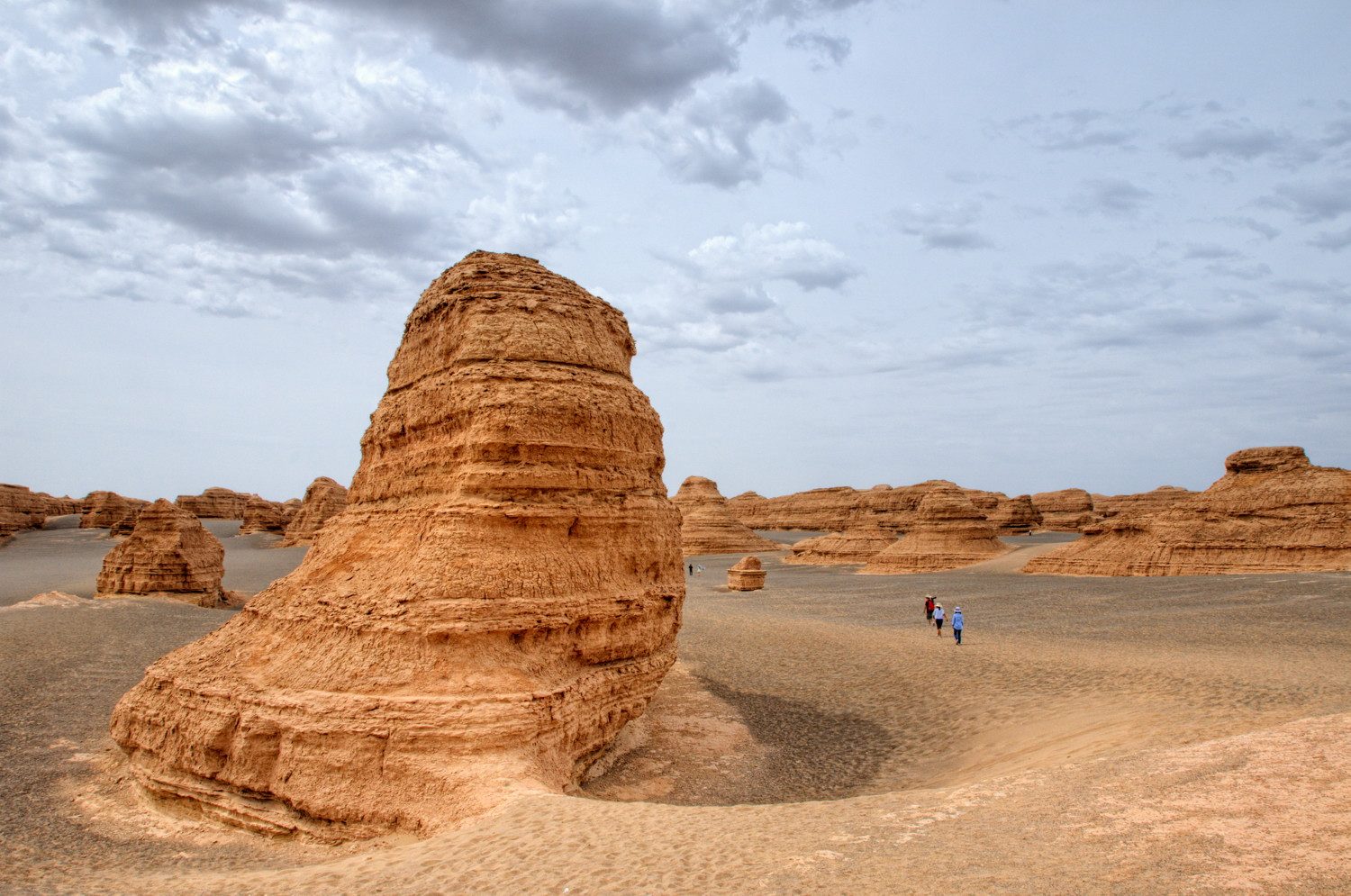
Day 9 — The western loop. Two hours each at the Western Thousand Buddha Caves, Yangguan Pass, Yumen Pass, and the Yadan National Geological Park — four stops, eight hours.
Trade-offs
The schedule flexes in two places. Day 4 holds a single stop, the Shandan Horse Ranch, with no fixed duration, so it can absorb a slow day 3 or a late start without displacing anything; day 2’s timed stops add up to only three hours, leaving slack in Wuwei. On day 9, if four two-hour stops in a row look like too much, cut one: dropping the Yadan National Geological Park or Yumen Pass trims two hours from the loop.
Two simplifications are worth naming. Anyone with closer to a week than nine days should cut from the middle — dropping day 3 (the Wuwei Museum and Confucian Temple) and day 4 (the ranch) keeps the spine of Mati Temple, Zhangye Danxia, Jiayuguan, and Dunhuang intact. And if cave temples start to blur together, skip the Western Thousand Buddha Caves on day 9; the Yulin Grottoes and Mogao already provide two four-hour grotto visits.