Why this route
These nine days cover the two ends of the Silk Road’s Chinese opening chapter: five in Xi’an, where the road began as the capital’s western gate, and four in Dunhuang, where the plains give out and the desert takes over. The pairing works because the two cities speak to the same story from opposite sides — Xi’an shows what moved east, Dunhuang shows what the caravans carried out — and the leg between them is one short flight, not a two-day overland grind.
Two anchors carry the line. In Xi’an it is the Terracotta Army and the Ming wall that still rings the old city; in Dunhuang it is the Mogao Grottoes, a thousand years of painted caves in a desert cliff, with the dunes of Mingsha Mountain and the yardang field of the Yadan National Geological Park as the desert counterweights. Everything between is supporting cast that can flex.
The day split is five and four. Xi’an gets the longer block because the Terracotta Army is a full-day excursion out at Lintong and the city itself deserves three more; Dunhuang’s four days are shaped by the desert clock — caves and dunes in the mornings and evenings, one full chartered day for the west road, and a spare day as insurance against weather and ticket quotas, both of which matter more here than anywhere else in this guide.
Day by day
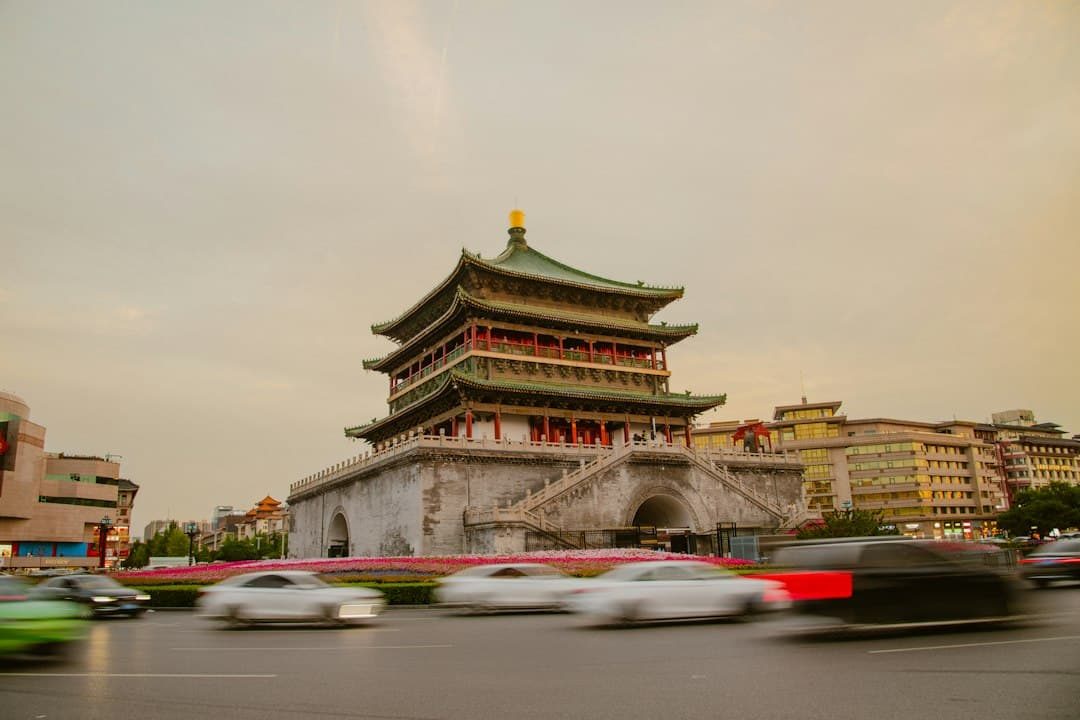
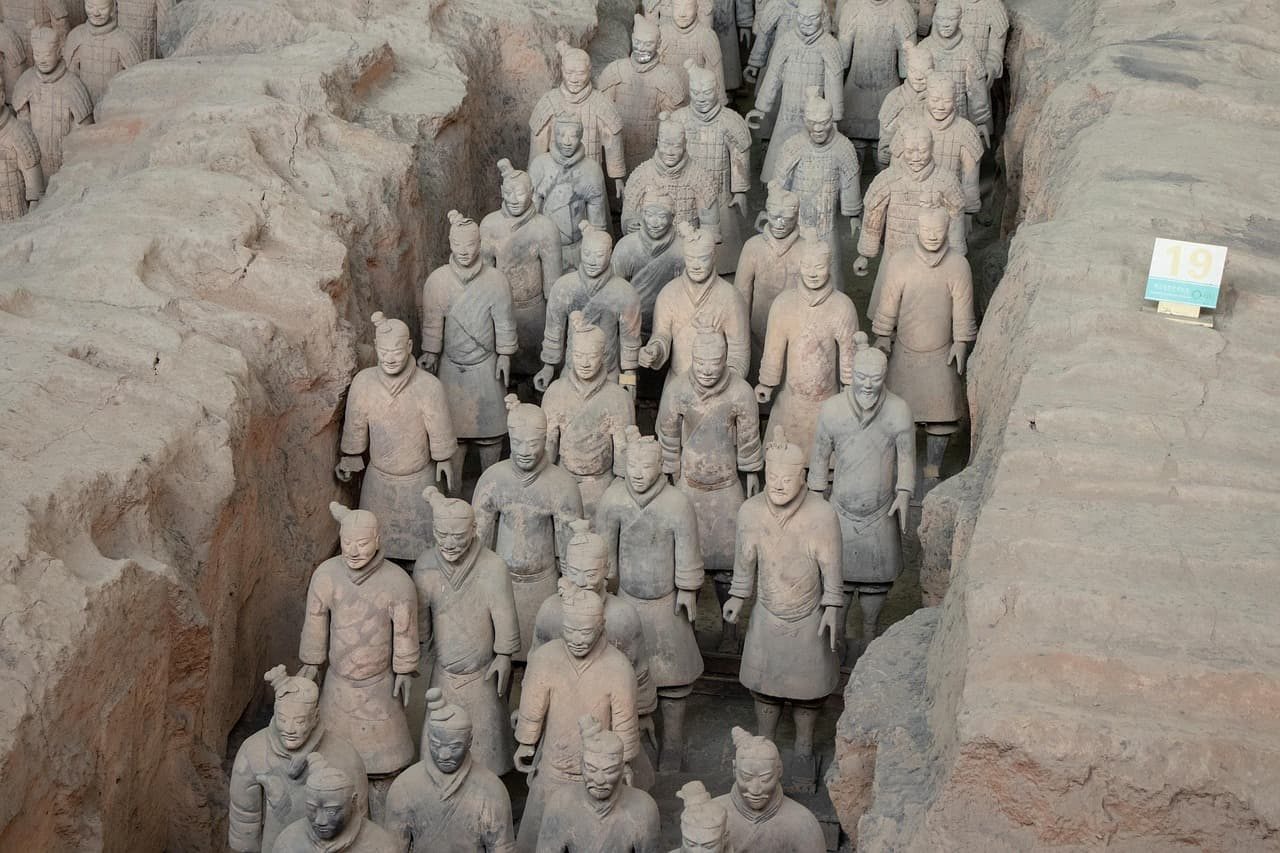
Days 1 to 5 are Xi’an. Day 1 is the wall: the Xi’an City Wall stays open until 22:00 for ¥54, so it can wait out the jet lag and still be walked — or ridden — in the cool of the evening. Finish at the Bell and Drum Tower Square when the towers light up, then eat your way down the Muslim Quarter beside it. Day 2 goes east to Lintong: the Terracotta Army early before the tour buses land, then the palace pools of Huaqing Palace on the same road for the afternoon.
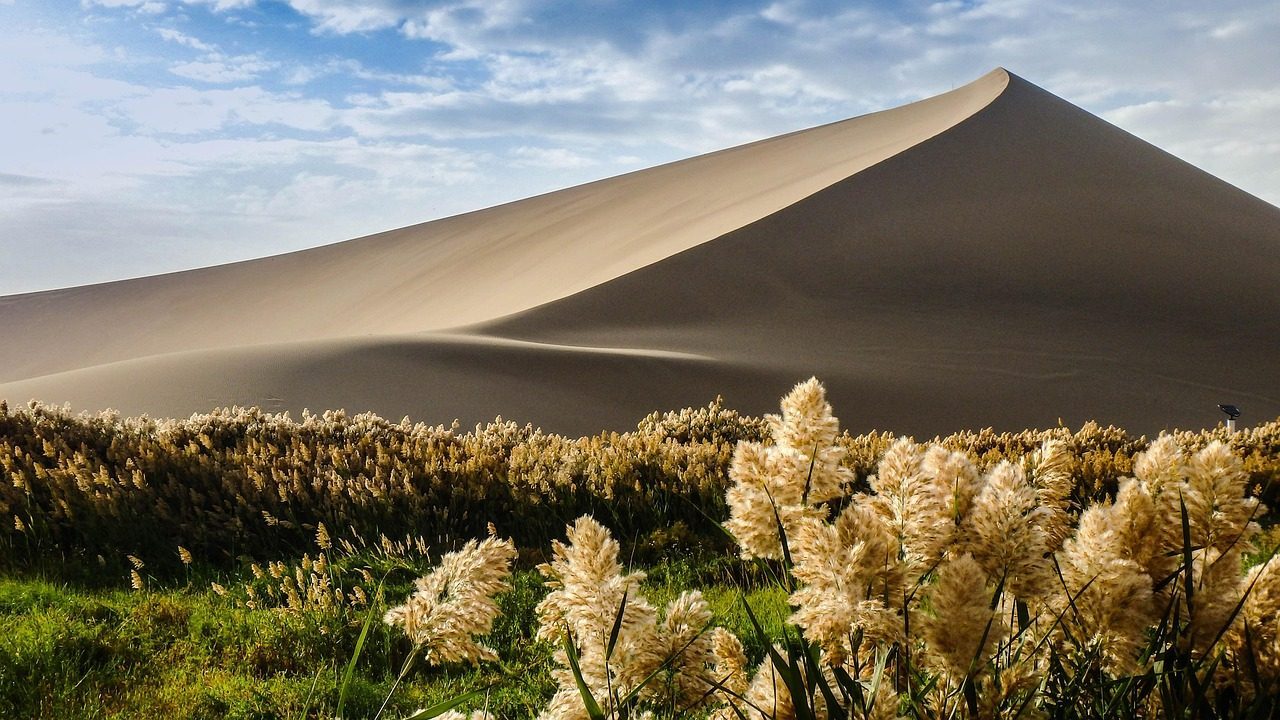
Day 3 turns back to the Tang city: the North Square of the Big Wild Goose Pagoda and the temple quarter around it, with the afternoon free for whichever museum has tickets. Day 4 is the deliberate spare day — a second pass at anything the first three rushed, and the buffer that lets Day 2 slip if it rains. Day 5 is a morning flight west to Dunhuang, landing in time for the desert’s best hour: sunset on the dunes of Mingsha Mountain, where the ¥110 peak-season ticket covers the oasis of Crescent Lake at the dunes’ feet.
Days 6 to 9 are Dunhuang. Day 6 is the caves: the Mogao Grottoes run on reserved tickets — ¥238 in peak season, bundling four introductory films at the visitor center with the cave circuit — and the cheaper ¥100 emergency ticket opens only four caves, so book the full ticket well ahead. The evening belongs to the Shazhou night market, whose stalls run past midnight on the late nights. Day 7 is the chartered west road (¥450–550 for the day): the beacon-tower ruins of Yangguan, the Han garrison of the Yumen Pass at ¥20, and the yardang pillars of the Yadan National Geological Park — 180 km out, ¥95, and worth timing for the low sun — before the long drive back. Day 8 is the second spare day: a morning return to the dunes in better light, or a second cave slot if the emergency ticket was all you could get. Day 9 flies out.
Trade-offs
Xi’an’s Day 4 is the designated cut. Dropping it turns the route into eight days without touching an anchor — nothing on the spare day is unrepeatable, and the city’s core sits complete on Days 1 to 3. Cutting further to seven means losing either the Lintong afternoon or the Dunhuang buffer, and the buffer is the better keeper: Mogao’s quota system and the desert weather are the two things on this route you do not control.
The west-road day is the one to respect. Yadan is 180 km from town and the chartered day runs long by design; if the schedule must shrink, trim the morning rather than the park, because the yardangs in low sun are the day’s whole point. On the city side, Huaqing Palace is the optional half of the Lintong day — the Terracotta Army deserves the morning no matter what, and the palace can fold away if the army runs long.
The route runs in either direction. Landing in Dunhuang first and flying home from Xi’an swaps the desert jet lag for the city one and changes nothing else; the version above simply puts the big museum city first, while the trip is fresh and the desert is the reward. If nine days cannot fit, the honest compression is the eight-day cut above — this is not a line that wants to lose Dunhuang days, and the China 14 Day Itinerary or the China 15 Day Itinerary are better homes for a longer overland arc.