Why this route
These six days pair Sichuan’s two opposites: the food-and-teahouse capital at the basin’s edge, and the travertine lakes of Jiuzhaigou Valley Scenic and Historic Interest Area high on the edge of the Tibetan plateau. The pairing works because the leg between them is now the easiest it has ever been — a high-speed train from Chengdu East of roughly 1.5 hours, then a unified shuttle of about 1 hour down to the valley mouth — so the mountains sit within a morning of the city instead of a two-day bus haul.
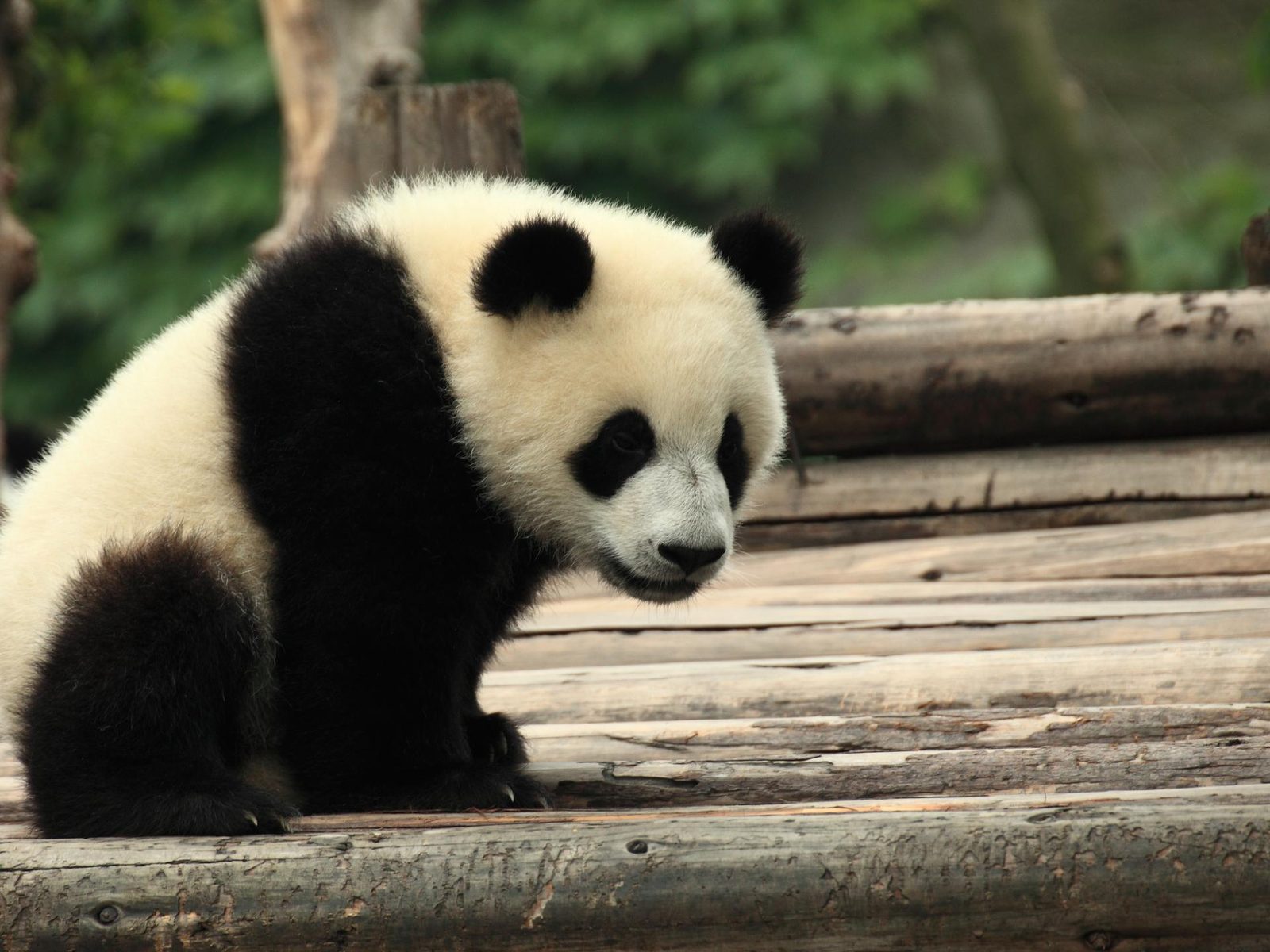
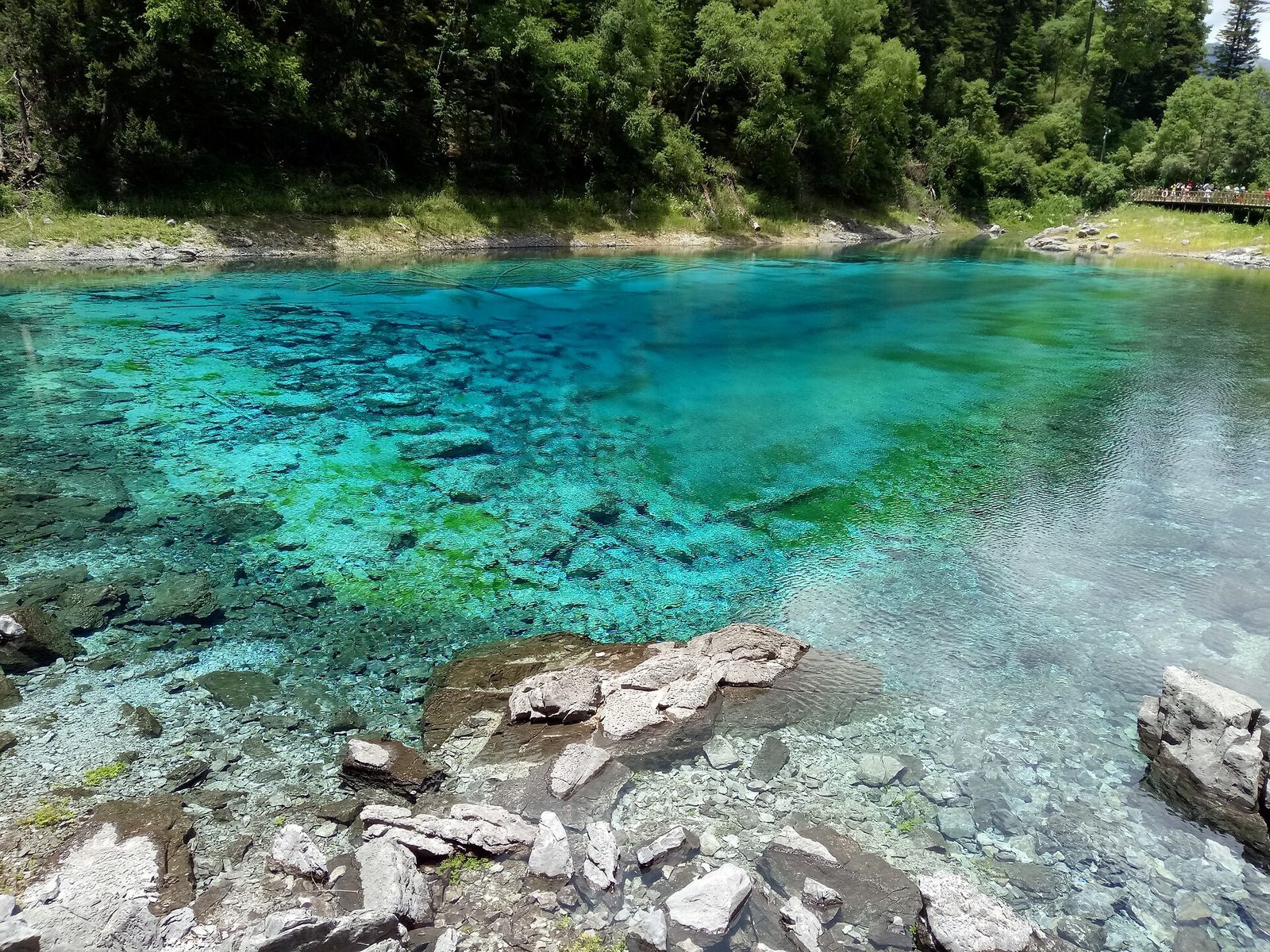
Two anchors carry the line. In Chengdu it is the Chengdu Research Base of Giant Panda Breeding, worth the alarm clock because the pandas are most active before 10:00; in the valley it is the Rize arm, where Five Flower Lake and the cascades of Pearl Shoal Waterfall hold the postcard light. Everything else is supporting cast that can flex.
The day split is two in the city, two in the park, and two on the rails. Two valley days matter more than they look: admission closes at 14:00 in high season (08:00–14:00 from April 1 to November 15), the park’s own suggested visit is one full day, and the three arms honestly want two — the first for Rize and Zechawa, the second for Shuzheng at a walker’s pace. The transfer day between them is deliberately empty: arrival in Zhangzha Town the afternoon before protects the 08:00 entry that the whole route is built around.
Day by day
Days 1 and 2 are Chengdu. Day 1 is the old quarters at teahouse pace: the open-air tea garden of People’s Park, the incense halls of Wenshu Monastery, and the restored alley pair of Kuan Alley and Zhai Alley after dark. Day 2 starts at the panda base right at opening, then drops into the west of the city — the thatched museum grounds of Dufu Thatched Cottage, with Qingyang Palace as the optional second stop — and ends on the south side, where Jinli Ancient Street sits beside the Temple of Marquis for the evening.
Day 3 is the transfer. Trains from Chengdu East run frequently enough to fit most schedules and reach the high-speed station behind the valley in about 1.5 hours; the unified shuttle from the rail station to the valley mouth takes about 1 hour more. Overnight in Zhangzha Town, the strip of hotels at the park entrance. This is the day that buys Day 4: a same-day dash from Chengdu cannot clear the 14:00 admission cutoff and still see anything.
Day 4 is the big valley day. The sightseeing bus climbs the Rize arm first — Arrow Bamboo Lake, the plunge pools of Panda Lake, then the park’s two headline acts, Five Flower Lake and Pearl Shoal Waterfall, before the mirror-still shallows of Mirror Lake. From the bus hub at Nuorilang Waterfall the route turns up the Zechawa arm to the lake at the top, Long Lake, and works back down to the impossibly blue ponds of Five-Color Pond.
Day 5 is the slow second pass, and the reason the itinerary carries two park tickets. The Shuzheng arm runs nearest the entrance: Rhino Lake at the top, the tiered lakes-and-village string of Shuzheng Lakes, the wide fan of Shuzheng Waterfall, and the reed flats of Reed Lake closest to the gate. Boardwalks connect most of it, so the day can be walked in pieces between bus hops rather than marched.
Day 6 rides back — shuttle to the rail station, train to Chengdu, and a flight or evening rail connection out of Chengdu. Nothing on Day 6 is load-bearing, which is the point: if the valley runs long on Day 5, the return simply slips.
Trade-offs
The two valley days are the route’s spine and the wrong place to save a day. Cutting to five days should take a Chengdu day instead: Day 1 folds into Day 2 without touching an anchor, since the panda base, the alleys and the temple streets all survive a compressed city block. Cutting a valley day turns the trip into the standard one-day whistle-stop — Rize only, Zechawa and Shuzheng lost — and that is a different, weaker trip.
The transfer day is the one to respect. It looks empty on paper, but it carries the 08:00 entry that Day 4 depends on, because admission closes at 14:00 in high season and 08:30–14:00 in low season (November 16 to March 31). Tickets also reset by season: 190 RMB entrance plus 90 RMB for the sightseeing bus per park day from April 1 to November 15, 80 RMB each in low season — so the second park day costs 280 RMB at peak, a real number when weighing the five-day cut above.
Extensions run in two directions. On the city side, the ancient waterworks of Dujiangyan and Mount Qingcheng add a day out west — both are on the 8 Day Southwest China Itinerary, which swaps this route’s valley for Chongqing and Zhangjiajie if the third anchor matters more than the lakes. Beyond the valley, Huanglong and the plateau stops around it sit past the rail line, and the broader southwest arc continues on the 9 Day Yunnan Itinerary. For travelers stitching a longer first trip around this one, the China 14 Day Itinerary is the natural frame — and the fuller city guides behind it live at Chengdu Travel and Jiuzhaigou Travel.